Climate Change
Citizen Science: How Everyday People Are Contributing to Climate Data Collection
In recent years, the urgent need to address climate change has mobilized communities globally, driving a surge of interest in citizen science. This innovative approach to scientific research harnesses the power of everyday people to collect, analyze, and disseminate data on various environmental issues, including climate change.
Solar vs. Wind Energy: Which is More Efficient for Large-Scale Power Generation?
As the world confronts the devastating impacts of climate change, the transition from fossil fuels to renewable energy sources has become more urgent than ever. Among the various renewable energy options available, solar and wind energy stand out as two of the most promising solutions for large-scale power generation.
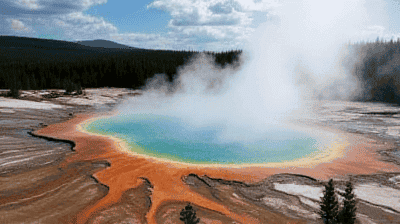
Geothermal Energy: The Untapped Renewable Power Beneath Our Feet
As the global community faces an urgent need to combat climate change, the quest for sustainable and renewable energy sources has intensified. While solar, wind, and hydroelectric power have received considerable attention, geothermal energy remains a promising yet underutilized resource.
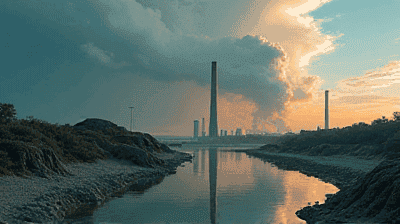
The Impact of Methane Emissions on Global Warming & How to Reduce Them
Climate change presents one of the most significant challenges of our time, requiring urgent action from individuals, communities, and governments around the globe. While carbon dioxide (CO2) has often garnered the most attention as a greenhouse gas, methane (CH4) is a much more potent contributor to global warming over the short term.
The Role of Wetlands in Climate Mitigation: Carbon Sinks & Flood Control
Wetlands, often described as the earth's kidneys, play a critical role in maintaining ecological balance and supporting biodiversity. These unique ecosystems, which include marshes, swamps, and peatlands, are vital for climate change mitigation and adaptation.

Why Mangrove Restoration is Critical for Coastal Protection and Carbon Sequestration
Mangroves are among the most productive and biologically diverse ecosystems on the planet. Thriving in coastal intertidal zones, these unique trees and shrubs play a vital role in safeguarding coastal areas from environmental threats while simultaneously sequestering carbon dioxide from the atmosphere.
Carbon Neutrality by 2050: How Nations Can Achieve Net-Zero Emissions
Climate change is one of the most pressing challenges of our time, posing significant threats to ecosystems, economies, and human health. As the planet continues to warm due to greenhouse gas emissions, the urgency for nations to take decisive action has never been greater.
Drought-Resistant Crops: How Genetic Engineering and Traditional Farming Help
As climate change intensifies, droughts are becoming increasingly common and severe across the globe. These prolonged periods of insufficient rainfall not only threaten water supplies but also significantly impact agricultural productivity, food security, and livelihoods.
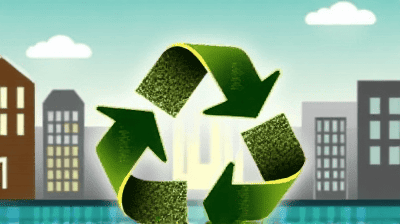
Circular Economy: How Reducing Waste Can Also Cut Greenhouse Gas Emissions
Climate change represents one of the most pressing challenges facing our planet today, necessitating urgent action across various sectors. One promising approach to mitigating climate change is the adoption of a circular economy.
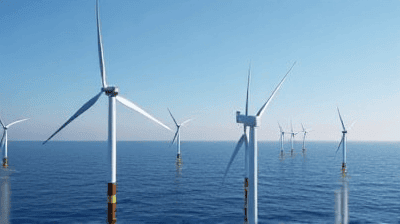
How Offshore Wind Farms Are Revolutionizing Clean Energy Production
As the world grapples with the urgent need to combat climate change, the transition to renewable energy sources has never been more crucial. Among the various solutions available, offshore wind farms have emerged as a game-changer in clean energy production.